

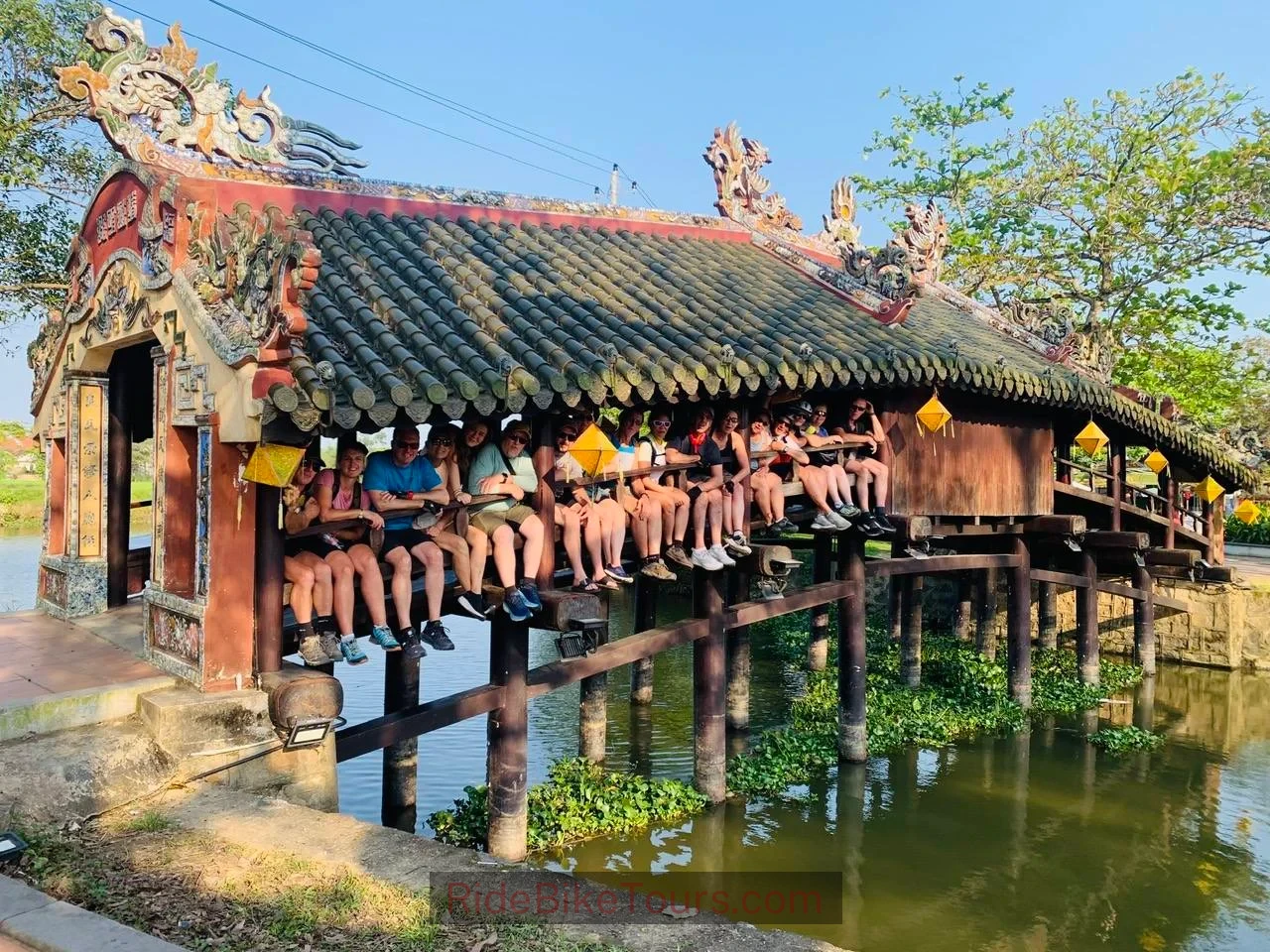

Training & Preparation: Multi-Day Vietnam Cycling Tours
Master Training & Preparation for Multi-Day Vietnam Cycling Tours! Get our 12-week fitness plan, packing checklist, nutrition tips, best seasons & top routes.
Master Training & Preparation for Multi-Day Vietnam Cycling Tours! Get our 12-week fitness plan, packing checklist, nutrition tips, best seasons & top routes.
Training & Preparation: Multi-Day Vietnam Cycling Tours
Dawn breaks cool and silver over the jagged limestone horizon of northern Vietnam. At sixteen hundred meters above sea level, ribbons of valley mist curl around your handlebars like damp silk, carrying the sharp, resinous perfume of wild pine needles, wet karst rock, and woodsmoke rising from a hillside Hmong homestead. You rise out of the saddle as the mountain tarmac pitches steeply upward. Your quadriceps ignite with a steady, rhythmic surge, your breath plumes white in the crisp air, and your rear derailleur answers with a clean metallic click-clack as the chain settles onto your climbing cog. When your body is conditioned for consecutive days in the saddle, a twelve-percent switchback feels less like an ordeal and more like pure kinetic poetry. Mastering Training & Preparation for Multi-Day Vietnam Cycling Tours is the secret key that transforms an ambitious international expedition into effortless, joyful discovery across Southeast Asia's most dramatic landscapes.
Whether you dream of conquering sky-high frontier passes along the Chinese border, weaving past emerald terraced rice bowls, or cruising palm-lined coastal peninsulas, physical readiness and smart gear preparation unlock every sensory detail of the journey. In this comprehensive Training & Preparation: Multi-Day Vietnam Cycling Tours guide, Vietnam Ride Bike Tours shares a proven twelve-week conditioning blueprint, contact-point bike fitting advice, tropical packing essentials, regional route insights, and culinary fuel strategies so you arrive at the starting line strong, confident, and ready to savor every mile.
Why Structured Training & Preparation for Multi-Day Vietnam Cycling Tours Transforms Your Ride
Unlike a single weekend charity ride at home, a multi-day cycling holiday in Vietnam layers cumulative elevation gain, shifting microclimates, and vibrant cultural exploration across five to fourteen consecutive days. A morning can begin beside a humid bamboo stream at two hundred meters and climb into brisk, cloud-draped mountain air above two thousand meters before lunch.
Investing time in Training & Preparation for Multi-Day Vietnam Cycling Tours ensures your legs, core, and cardiovascular engine recover rapidly overnight—leaving you energized to stroll lantern-lit evening markets, share warm green tea with village hosts, and wake up eager for the next stage. Whether you choose total autonomy on a self-guided cycling tour or lively camaraderie on scheduled group departures operated by Vietnam Ride Bike Tours, smart preparation lets you lift your eyes from your front wheel and soak in the panoramic magic around every bend.
Twelve-Week Physical Conditioning Plan for Vietnam's Diverse Terrain
You do not need to train like a Grand Tour professional to thrive on a multi-day Vietnamese expedition. Consistency, progressive mileage, and back-to-back weekend rides build the exact muscular endurance required for rolling valleys and sustained mountain passes.
Weeks 1 to 4: Building Aerobic Base and Saddle Endurance
During your first month, focus on spending comfortable, conversational hours on the bicycle to condition your sit bones, hands, neck, and aerobic foundation. Aim for three to four rides per week: two forty-five- to sixty-minute weekday spins at an easy endurance cadence of eighty-five to ninety-five revolutions per minute, paired with one longer Saturday ride building gradually from forty to sixty-five kilometers. Keep effort steady so you can speak in full sentences without gasping.
Weeks 5 to 8: Threshold Climbing Intervals and Back-to-Back Riding Days
Northern Vietnam's mountain passes frequently feature sustained gradients of seven to ten percent punctuated by punchy twelve-percent village ramps. In weeks five through eight, introduce one hill-repeat session each week: find a steady five- to ten-minute climb near home and ride four to six repetitions at a controlled, brisk tempo, practicing smooth seated spinning as well as brief out-of-the-saddle surges. Crucially, schedule back-to-back rides on Saturday and Sunday—such as seventy kilometers followed by fifty-five kilometers—to teach your muscles how to perform on tired legs.
Weeks 9 to 11: Heat Acclimation, Hydration Strategy, and Core Stability
Tropical warmth and humidity place extra cooling demands on your cardiovascular system. During your peak training block, ride during warmer midday hours when possible, or add two twenty-minute sauna sessions per week after indoor trainer rides to boost plasma volume and sweat efficiency. Practice drinking five hundred to seven hundred fifty milliliters of electrolyte-enriched water per hour while eating forty to sixty grams of carbohydrates—testing energy chews, bananas, or rice cakes so your stomach handles fueling effortlessly on tour. Pair cycling with twice-weekly planks, glute bridges, and bird-dogs to protect your lower back on long descents.
Week 12: Tapering, Bike Fit Verification, and Travel Recovery
Seven to ten days before flying to Vietnam, reduce training volume by forty to fifty percent while keeping two short, lively spins to keep legs snappy. Use this quiet week to verify saddle height, cleat alignment, and handlebar reach, pack your cycling kit, and prioritize eight hours of restorative sleep each night so you board your flight fresh and primed for adventure.
Essential Gear, Bike Setup, and Packing Checklist
Thoughtful equipment choices prevent saddle sores, hand numbness, and weather surprises when riding across varied elevations.
Dialing In Contact Points: Saddle, Shoes, and Pedals
Even when renting a high-grade bicycle locally from Vietnam Ride Bike Tours, bringing your own broken-in saddle, familiar clipless pedals, and well-fitted cycling shoes guarantees instant anatomical comfort from kilometer one. Pack two to three pairs of high-density chamois bib shorts and a tube of anti-chafe cream so every morning starts pain-free.
Weather-Adaptive Layering for High Passes and Tropical Valleys
Temperatures in Vietnam can swing by fifteen degrees Celsius between a sun-drenched valley floor and a misty high-altitude summit. Pack breathable short-sleeve moisture-wicking jerseys, lightweight arm warmers, a packable windproof gilet, a breathable waterproof rain shell, and both fingerless summer gloves and full-finger wind-resistant gloves for chilly mountain descents.
Nutrition, Electrolytes, and Trailside Essentials
Bring your favorite electrolyte tablets, high-SPF reef-safe sunscreen, polarized sunglasses with clear or photochromic lenses for shaded jungle canopies, a lightweight hydration pack or two large water bottles, and a compact personal first-aid pouch with blister bandages and personal medications.
Aligning Your Preparation With Vietnam's Top Routes and Tour Styles
Tailoring your Training & Preparation for Multi-Day Vietnam Cycling Tours to your chosen region and bicycle platform makes every stage feel custom-built for your strengths.
High-Altitude Karst Challenges in Ha Giang and Cao Bang
If your itinerary tackles the legendary Ha Giang Loop through Dong Van Karst Plateau Geopark—climbing past Quan Ba Heaven Gate and carving along the sheer cliffside balcony of Ma Pi Leng Pass high above the Nho Que River—prioritize hill repeats and wide climbing gear ratios. Extending eastward onto a scenic Cao Bang cycling tour over Ma Phuc Pass toward Ban Gioc Waterfall and Nguom Ngao Cave rewards steady aerobic endurance across rolling borderland valleys.
Scenic Valley Tempo Rides in Mai Chau and Pu Luong
For riders seeking moderate climbs paired with lush agricultural flow, a Mai Chau cycling tour descends the misty switchbacks of Thung Khe Pass into Mai Chau Valley, gliding past White Thai stilt houses in Lac Village. Nearby, a restorative Pu Luong cycling tour inside Pu Luong Nature Reserve blends short, punchy concrete village climbs with shaded forest tracks beside giant creaking bamboo waterwheels along Cham Stream.
Matching Conditioning to Road, Gravel, Mountain, and Off-Road Disciplines
Different trail surfaces engage distinct muscle groups:
- Road and Gravel Endurance: Carving sweeping coastal switchbacks like Hai Van Pass on road cycling tours or rolling red-dirt agricultural lanes on gravel cycling tours rewards sustained seated cadence and neck-and-shoulder endurance.
- Mountain and Off-Road Technical Control: Tackling rooty jungle singletrack and rocky limestone tracks on mountain cycling tours and backcountry offroad cycling tours calls for upper-body core stability, out-of-the-saddle bursts, and confident braking technique.
E-Bikes, Family Escapes, Luxury Tours, and Cross-Border Expeditions
Do not worry if life's busy calendar limits your training hours before departure. High-torque pedal-assist bicycles featured on our e-bikes tours flatten steep mountain climbs so couples and mixed-fitness riders conquer passes side by side. Parents riding with children thrive on gentle countryside stages designed for family cycling tours, while travelers easing into Vietnamese road rhythms can warm up near Hanoi on half-day cycling tours and one-day cycling tours. Ambitious riders can also indulge in five-star spa recovery on a luxury cycling tour, trace jungle mountain corridors on Ho Chi Minh Trail cycling tours, or link Vietnam with Laos and Cambodia on multi-country cycling tours.
Where and What to Eat: Fueling Multi-Day Endurance With Vietnamese Cuisine
Proper daily nutrition is the cornerstone of Training & Preparation for Multi-Day Vietnam Cycling Tours once your wheels touch the road. Vietnamese cuisine is naturally clean, herb-rich, and packed with easily digestible carbohydrates and lean proteins ideal for endurance recovery.
At sunrise before clipping in, follow the warm aroma of star anise, charred ginger, and cinnamon to a lively roadside noodle shop for a steaming bowl of Pho Bo or Pho Ga (typically 2 to 3.50 USD), replenishing sodium and glycogen immediately. Mid-morning feed stops feature crusty, oven-warm Banh Mi stuffed with lemongrass-grilled pork, pickled daikon, cilantro, and chili (1 to 2 USD), paired with sweet highland bananas and chilled electrolyte drinks.
In northern highland hubs across Ha Giang, Cao Bang, Sapa, and Mai Chau Valley, evening recovery feasts showcase Com Lam—fragrant mountain sticky rice slow-roasted inside green bamboo tubes—served alongside charcoal-grilled free-range hill chicken, crispy stream fish, and garlic-sauteed wild forest ferns (6 to 14 USD per meal). Further south in Ninh Binh and Hoi An Ancient Town, riders celebrate stage finishes with crunchy scorched rice (Com Chay) and chewy Cao Lau noodles. Every afternoon, clink glasses of Ca Phe Sua Da (1.50 to 2.50 USD) as dark-roast Vietnamese coffee drips slowly over sweet condensed milk and ice.
Where to Sleep: Restorative Stays for Multi-Day Recovery
Quality sleep repairs muscle fibers faster than any recovery supplement. Across peaceful valleys like Mai Chau Valley and Pu Luong Nature Reserve, sleeping in a handcrafted White Thai or Tay wooden stilt house immerses you in deep rural tranquility (20 to 45 USD per night). You fall asleep beneath crisp cotton netting to the gentle chorus of mountain streams and night crickets, waking to rooster calls and mist drifting through bamboo groves.
In cultural centers such as Dong Van, Cao Bang, Hue Imperial City, and Hoi An Ancient Town, charming boutique hotels provide piping-hot showers, early cyclist breakfasts, laundry service, and locked indoor bicycle storage rooms (50 to 115 USD per night). Cyclists seeking elevated post-ride pampering can unwind in cliffside eco-resorts perched above Pu Luong Nature Reserve, Tam Coc, or Hoang Lien Son Mountain Range, enjoying heated infinity pools, sports massage suites, and soothing herbal foot baths (140 to 280 USD per night).
Transportation and Logistics: Seamless Point-to-Point Support
Smart logistics protect your physical energy for the most rewarding miles. Virtually all northern journeys begin in Hanoi, where private airport pickups from Noi Bai International Airport bring you directly to your hotel for precision bike fitting, saddle adjustment, and route orientation.
Because premier mountain trailheads in Ha Giang, Cao Bang, Sapa, and Pu Luong lie three to six hours outside the capital, Vietnam Ride Bike Tours provides comfortable private support vans—or overnight sleeper trains to Lao Cai and Dong Hoi aboard the historic Reunification Express—that transfer both you and your bicycles straight to scenic backroads. While you ride light with only water bottles and a wind vest, our support vehicle carries your suitcases ahead to your evening lodge and stands ready with cold drinks, spare parts, and hop-in relief if your legs ever ask for an afternoon break.
Best Time of Year for Cycling in Vietnam
Timing your departure window aligns your conditioning with Vietnam's most comfortable riding weather:
Autumn (September to November) – Golden Harvests and Crisp Mountain Air
Autumn is widely hailed as the finest season for northern Vietnam cycling. Daytime temperatures hover comfortably between twenty and twenty-six degrees Celsius, humidity drops sharply, and clear azure skies illuminate golden rice terraces cascading down Pu Luong Nature Reserve, Mai Chau Valley, and the Ha Giang Loop.
Spring (March to May) – Highland Blossoms and Coastal Breezes
As winter mists clear, pink peach blossoms and white plum orchards brighten northern highland villages, while central coastal routes linking Hue, Hai Van Pass, and Hoi An enjoy warm, dry sunshine and gentle ocean breezes.
Winter (December to February) – Cool Climbing Weather and Southern Sun
Winter offers crisp, cool air ideal for high-tempo climbing without overheating. High passes like O Quy Ho Pass and Ma Pi Leng Pass call for windproof shells and thermal jerseys on misty mornings, while the central highlands around Da Lat and the waterways of the Mekong Delta bask in dry, golden sunshine.
Summer (June to August) – Emerald Valleys and Dawn Roll-Outs
Summer paints the mountains in electric emerald green and swells Ban Gioc Waterfall to peak volume. Rolling out at sunrise rewards riders with cool morning air and dramatic cloud inversions before afternoon tropical showers arrive.
Local Culture and Etiquette on Two Wheels
A bicycle moves at the exact speed of human connection, turning every rural crossroads into a moment of genuine warmth. In remote northern hamlets, schoolchildren run to the roadside beaming with excitement, calling out "Hello!" and stretching out hands for joyful high-fives as your tires roll past.
Practicing thoughtful cultural etiquette enriches every encounter. Dress modestly off the bike when exploring traditional Hmong, Dao, Tay, or White Thai communities, and always ask with a warm smile before photographing elders or children. If a local family invites you onto their wooden veranda for hot green tea or a celebratory toast of homemade corn wine (Ruou Ngo), accept the cup with both hands as a gesture of respect—though sip lightly if steep switchbacks still await! Simple Vietnamese greetings like "Xin chao" (hello) and "Cam on" (thank you) spark instant smiles wherever your wheels carry you.
Unmissable Sightseeing Highlights Along Multi-Day Routes
Reward your months of training with unforgettable pauses at Vietnam's most iconic natural and cultural landmarks:
- Ma Pi Leng Pass and Nho Que River: Soar along a dramatic cliffside balcony suspended high above Tu San Canyon inside Dong Van Karst Plateau Geopark.
- O Quy Ho Pass and Fansipan Peak: Conquer northern Vietnam's highest paved road pass amidst sea-of-clouds vistas across Hoang Lien Son Mountain Range.
- Ban Gioc Waterfall and Nguom Ngao Cave: Cool tired legs beside thunderous turquoise cascades and vast illuminated limestone caverns in Cao Bang.
- Pu Luong Nature Reserve and Cham Stream: Pedal past giant creaking bamboo waterwheels and lush rainforest valleys framed by limestone peaks.
- Mai Chau Valley and Thung Khe Pass: Swoop down misty white-rock switchbacks into an emerald rice basin dotted with White Thai wooden stilt houses.
- Trang An Landscape Complex and Mua Cave: Glide past towering limestone karsts in Ninh Binh, trading your saddle for a wooden sampan rowed through flooded river caves.
- Phong Nha-Ke Bang National Park: Coast beneath ancient jungle canopies along the historic Ho Chi Minh Trail, home to colossal subterranean caverns.
- Hai Van Pass and Hoi An Ancient Town: Carve sweeping ocean-view switchbacks between Hue and Da Nang, then roll into lantern-lit streets beside the Thu Bon River.
Frequently Asked Questions About Training & Preparation for Multi-Day Vietnam Cycling Tours
How fit do I need to be for a multi-day cycling tour in Vietnam?
Matching your baseline fitness to the right route elevation
If you can comfortably ride fifty to seventy kilometers on rolling terrain on consecutive weekend days, you are well prepared for most multi-day Vietnam itineraries. For steeper mountain routes like the Ha Giang Loop, adding eight to twelve weeks of hill repeats—or choosing a high-torque electric-assist bike—ensures an enjoyable, stress-free experience.
How many weeks before my tour should I start training?
Ideal eight- to twelve-week progressive conditioning timeline
Starting eight to twelve weeks before departure gives your cardiovascular system, tendons, and sit bones ample time to adapt gradually without overtraining. Even four to six weeks of focused weekend rides and core work makes a noticeable difference on multi-day stages.
Should I bring my own saddle, pedals, and cycling shoes when renting a bike?
Guaranteeing familiar contact points on rental fleets
Yes. While Vietnam Ride Bike Tours provides quality saddles and standard flat or SPD pedals on every rental bike, bringing your own broken-in saddle, personal pedals, and cycling shoes eliminates adjustment discomfort and prevents saddle sores across consecutive days.
How can I prepare my body for Vietnam's tropical heat and humidity?
Heat acclimation, electrolyte balance, and smart pacing
Ride during warmer hours of the day in the final month before travel, stay consistently hydrated with sodium-rich electrolyte drinks rather than plain water alone, wear light-colored breathable jerseys, and start morning stages early when mountain air is coolest.
What if I feel fatigued mid-tour and need to skip a steep mountain pass?
Guilt-free support van pickup whenever your legs need rest
On supported journeys with Vietnam Ride Bike Tours, an air-conditioned support vehicle shadows your route with padded bike racks and chilled refreshments—allowing you to hop in and skip any tough climb or afternoon rain shower whenever you wish.
Step Onto the Pedals Prepared for the Ride of a Lifetime
When your legs spin smoothly up mist-draped switchbacks, your breath stays calm in the crisp pine-scented air, and every evening ends with laughter over steaming bowls of highland noodles, you realize how deeply Training & Preparation for Multi-Day Vietnam Cycling Tours enriches every kilometer. With precision-fitted bicycles, local route intelligence, and seamless van logistics from Vietnam Ride Bike Tours, all you need to bring is your curiosity and steady cadence.
Ready to start your countdown to Southeast Asia's ultimate two-wheeled journey? Connect with our local route specialists today to customize your itinerary, reserve your ideal bicycle, and put your Training & Preparation: Multi-Day Vietnam Cycling Tours into action.
Comments (0)
Leave a Reply
Share your thoughts on this blog post.