


What Equipment to Pack: Northern Vietnam Cycling Tours
Discover What Equipment to Pack for Northern Vietnam Cycling Tours! Get our complete layering, bike gear, electronics, food, stays & seasonal packing checklist.
Discover What Equipment to Pack for Northern Vietnam Cycling Tours! Get our complete layering, bike gear, electronics, food, stays & seasonal packing checklist.
What Equipment to Pack: Northern Vietnam Cycling Tours
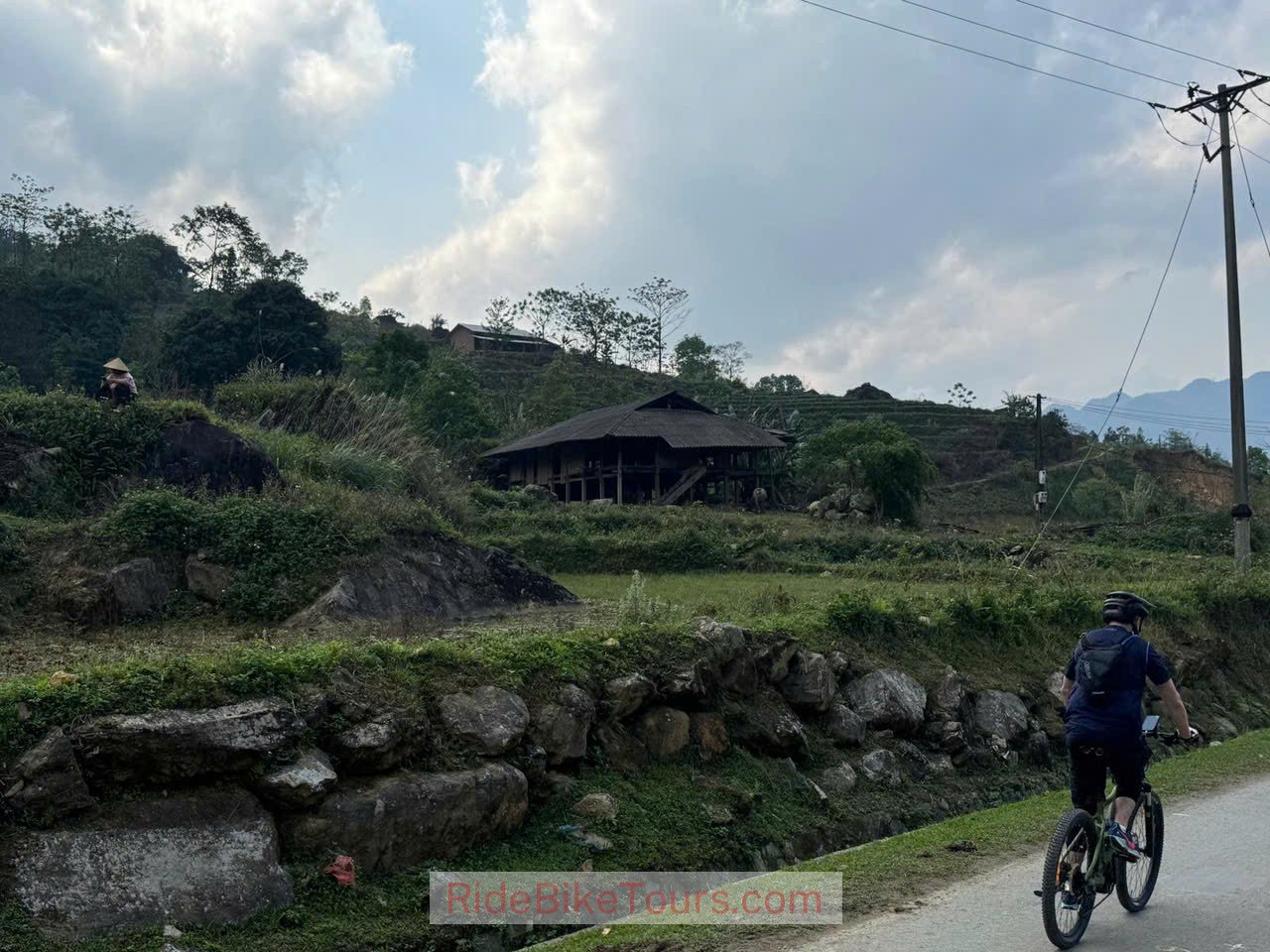
Dawn breaks silver and crisp over the jagged limestone skyline of northern Vietnam. At sixteen hundred meters above sea level, ribbons of valley mist curl around your handlebars like damp silk, carrying the sharp, resinous perfume of wild pine needles, wet karst rock, and woodsmoke rising from the hearth of a hillside Hmong timber home. You rise out of the saddle as the mountain tarmac pitches steeply upward. Your quadriceps ignite with a steady, rhythmic surge, your breath plumes white in the cool mountain air, and your rear derailleur answers with a clean metallic click-clack as the chain settles onto your climbing cog. Above you, wind gusts whip across the exposed cliffside balcony of Ma Pi Leng Pass, dropping the temperature by ten degrees in a single kilometer—yet your windproof gilet and arm warmers seal in just enough warmth while venting climbing heat effortlessly. Knowing What Equipment to Pack for Northern Vietnam Cycling Tours is the exact difference between shivering through a misty descent and savoring every exhilarating turn across Southeast Asia's most dramatic mountain frontier.
Northern Vietnam compresses astonishing microclimates, road surfaces, and elevations into a single unforgettable journey. Within a few hours, your tires can roll out of a humid bamboo river valley at two hundred meters, grind up a twelve-percent concrete village track, and crest a cloud-draped summit above two thousand meters. In this complete What Equipment to Pack: Northern Vietnam Cycling Tours guide, Vietnam Ride Bike Tours shares field-tested packing wisdom covering weather-adaptive apparel, personal bike contact points, offline navigation electronics, hydration essentials, and respectful village attire—alongside regional route advice, culinary stops, stilt-house stays, and seasonal planning tips so your duffel bag is light, smart, and ready for anything.
Why Smart Packing Shapes Every Mile in Northern Vietnam
Unlike flat coastal routes where weather stays uniform all week, northern Vietnam's dramatic topography creates rapid shifts in temperature, road grip, and visibility. Sunny valley floors in Mai Chau Valley or Cao Bang can feel warmly tropical at midday, while high passes in Dong Van Karst Plateau Geopark and Hoang Lien Son Mountain Range can greet riders with swirling mountain fog and brisk wind gusts.
Because Vietnam Ride Bike Tours provides precision-fitted rental bicycles, repair kits, and daily luggage transfers across both our independent self-guided cycling tour itineraries and scheduled group departures, you never need to haul heavy panniers up steep climbs. Instead, your heavy suitcase travels ahead in our support van while you ride light with a compact handlebar bag or jersey pockets holding only the immediate layers and fuel needed for the stage.
Complete Checklist: What Equipment to Pack for Northern Vietnam Cycling Tours
Organizing your gear into clear functional categories guarantees you bring every high-value item without cluttering your luggage with unnecessary weight.
Weather-Adaptive Cycling Apparel and Layering System
Versatile layering is the golden rule of What Equipment to Pack for Northern Vietnam Cycling Tours, allowing you to strip down on sweaty morning climbs and bundle up quickly before twenty-minute descents.
Breathable Jerseys and High-Density Chamois Bib Shorts
Pack three to four moisture-wicking short-sleeve cycling jerseys in bright, high-visibility colors that stand out clearly against emerald rice terraces and misty limestone cliffs. Pair them with three pairs of high-density chamois cycling shorts or bib shorts—laundry is quick and inexpensive at mountain hotels, yet having extra pairs guarantees dry, hygienic padding every morning.
Windproof Gilets, Arm Warmers, and Packable Rain Shells
Even during warm spring or autumn months, summit air above fifteen hundred meters turns brisk. A lightweight, packable windproof vest or gilet paired with synthetic arm warmers and leg warmers lets you regulate core warmth on the fly without stopping. Add a breathable, seam-sealed waterproof rain jacket that folds neatly into a rear jersey pocket for sudden tropical mountain showers.
Personal Bike Contact Points and Riding Footwear
While Vietnam Ride Bike Tours supplies professionally tuned bicycles, helmets, bottle cages, pumps, and spare tubes, bringing your personal anatomical contact points ensures instant comfort from kilometer one.
Broken-In Saddles, Clipless Pedals, and Two-Bolt MTB Shoes
If you love a specific saddle shape, pack it in your suitcase—our mechanics will install and level it to your exact measurements during your pre-ride bike fitting in Hanoi. Likewise, bring your familiar clipless pedals and cycling shoes. Two-bolt mountain bike shoes with recessed cleats and grippy rubber soles are ideal for northern Vietnam, letting you walk comfortably up slippery stone steps at viewpoints or inside village markets without clicking awkwardly on smooth tile floors.
Fingerless Summer Gloves, Full-Finger Wind Gloves, and Merino Socks
Pack one pair of padded fingerless gloves for warm valley cruising and one pair of lightweight full-finger gloves to keep fingers nimble on cool high-altitude descents. Four pairs of breathable merino-wool or synthetic cycling socks keep feet dry and blister-free across consecutive riding days.
Navigation, Lighting, and Electronic Essentials
Remote mountain corridors reward self-reliant electronics that work seamlessly even when cellular towers disappear behind towering karst peaks.
Offline GPS Computers, Power Banks, and Universal Adapters
If you ride with a Garmin, Wahoo, or Karoo cycling computer, bring your head unit and handlebar mount so we can load verified GPX tracks directly onto your screen. A compact ten-thousand-milliampere-hour power bank keeps both your GPS and smartphone charged throughout full-day stages, while a universal travel adapter fits Vietnam's two-prong flat and round electrical outlets.
High-Lumen Front and Rear Lights for Misty Passes
Mountain fog can roll across high ridges like O Quy Ho Pass and Ma Pi Leng Pass within minutes, and rural routes occasionally pass through unlit rock tunnels. Packing a bright USB-rechargeable front headlight and a high-visibility daytime flashing taillight dramatically boosts your presence on winding mountain roads.
Hydration, On-Bike Nutrition, and Personal Care
Tropical humidity increases sweat rates even when mountain air feels cool, making proactive hydration essential.
Electrolyte Tablets, Chamois Cream, and Reef-Safe Sunscreen
Bring a tube of your preferred electrolyte effervescent tablets to drop into fresh bottled water provided along the route, alongside familiar energy gels or chews if you have a sensitive stomach on long climbs. Pack high-SPF waterproof sunscreen, lip balm with sun protection, anti-chafe chamois cream, polarized sunglasses with clear or photochromic lenses for shaded jungle canopies, and a compact personal pouch containing blister bandages, ibuprofen, and personal prescriptions.
Modest Off-Bike Attire for Tribal Villages and Stilt Houses
Cycling through northern Vietnam carries you directly through traditional Hmong, Dao, Tay, Lo Lo, and White Thai communities. Packing two sets of lightweight, quick-dry casual trousers or knee-length shorts, breathable cotton or merino T-shirts, and easy slip-on sandals or camp shoes lets you step out of Lycra immediately after each ride—showing thoughtful cultural respect when strolling through village markets or ascending wooden stilt-house ladders.
Tailoring Your Gear List to Northern Routes and Riding Styles
Fine-tuning What Equipment to Pack for Northern Vietnam Cycling Tours depends on the specific northern valley or pass corridor you choose—and which bicycle platform matches your riding style.
High-Altitude Karst Expeditions in Ha Giang and Cao Bang
Riders tackling the legendary Ha Giang Loop through Dong Van Karst Plateau Geopark—climbing past Quan Ba Heaven Gate and carving along the sheer cliffside balcony of Ma Pi Leng Pass above the Nho Que River—should prioritize windproof layers, full-finger gloves, and grippy two-bolt cycling shoes for exploring rocky viewpoints. Extending eastward onto a scenic Cao Bang cycling tour over Ma Phuc Pass toward Ban Gioc Waterfall and Nguom Ngao Cave calls for quick-dry swimwear or water sandals if you wish to wade near emerald river cascades.
Emerald Stilt-House Valleys in Mai Chau and Pu Luong
South of the high frontier, warmer valley temperatures shape packing priorities. On a gentle Mai Chau cycling tour descending Thung Khe Pass into Mai Chau Valley, breathable summer jerseys, sun sleeves, and polarized sunglasses shine across sunlit rice paddies in Lac Village. Nearby, a restorative Pu Luong cycling tour inside Pu Luong Nature Reserve weaves past giant creaking bamboo waterwheels along Cham Stream, where lightweight insect repellent and breathable trail apparel keep evening veranda relaxation blissful.
Matching Kit to Mountain, Gravel, Road, Off-Road, and E-Bike Tours
Every cycling discipline brings subtle gear nuances:
- Mountain and Off-Road Riding: Riders tackling rocky buffalo tracks and jungle singletrack on mountain cycling tours and backcountry offroad cycling tours benefit from baggy trail shorts, lightweight knee sleeves, and clear eye protection against low bamboo branches.
- Road and Gravel Riding: Endurance cyclists carving smooth mountain switchbacks on road cycling tours or linking compact dirt lanes on gravel cycling tours thrive in streamlined aerodynamic jerseys paired with packable wind vests.
- Electric-Assist Touring: Guests riding high-torque pedal-assist bikes on our e-bikes tours generate less body heat on steep climbs while experiencing brisk windchill on descents—making an extra windproof mid-layer especially smart.
- Family Loops, Short Escapes, Luxury, and Cross-Border Tours: Parents traveling with children on family cycling tours or travelers booking quick half-day cycling tours and one-day cycling tours need only a compact daypack and sun protection. Meanwhile, guests indulging in a bespoke luxury cycling tour, tracing jungle corridors on Ho Chi Minh Trail cycling tours, or crossing into Laos and Cambodia on multi-country cycling tours can pack smart-casual resort wear for celebratory evening dinners.
Where and What to Eat: Culinary Fuel Along Northern Routes
You never need to fill your suitcase with bulky energy bars when riding through Vietnam—every village roadside cafe and lively town market serves fresh, nutrient-rich fuel that restores glycogen and delights every sense.
At sunrise before clipping into your pedals, follow the warm, spiced perfume of star anise, charred ginger, and cinnamon to a bustling local noodle shop for a steaming bowl of Pho Bo or Pho Ga (typically 2 to 3.50 USD). Mid-morning hunger calls for a crusty, oven-warm Banh Mi stuffed with lemongrass-grilled pork, pickled daikon, fresh cilantro, and chili (1 to 2 USD), paired with sweet mountain bananas.
In northern highland hubs across Ha Giang, Cao Bang, Sapa, and Mai Chau Valley, evening feasts showcase Com Lam—fragrant mountain sticky rice slow-roasted inside green bamboo tubes—served alongside charcoal-grilled free-range hill chicken, crispy stream fish, garlic-sauteed wild forest ferns, and warming Au Tau Porridge on crisp mountain nights (6 to 14 USD per meal). Further south in Ninh Binh and Hoi An Ancient Town, riders celebrate stage finishes with crunchy scorched rice (Com Chay) and chewy Cao Lau noodles. Every afternoon, clink glasses of Ca Phe Sua Da (1.50 to 2.50 USD) as dark-roast Vietnamese coffee drips slowly over sweet condensed milk and ice.
Where to Sleep: Authentic Stilt Houses to Mountain Eco-Lodges
Knowing where you will rest each night also shapes your packing list, as northern accommodations range from rustic cultural homestays to five-star cliffside sanctuaries.
In peaceful valleys like Mai Chau Valley and Pu Luong Nature Reserve, sleeping in a handcrafted White Thai or Tay wooden stilt house immerses you in timeless rural tranquility (20 to 45 USD per night). Fresh cotton bedding, mosquito nets, and towels are provided, while your own slip-on sandals and lightweight sleepwear make moving around shared wooden verandas effortless.
In highland cultural towns such as Dong Van, Meo Vac, Sapa, and Cao Bang, heritage clay-walled Hmong lodges and boutique hotels offer piping-hot showers, early cyclist breakfasts, and locked indoor bicycle storage (50 to 115 USD per night). Cyclists seeking elevated post-ride indulgence can unwind in cliffside eco-resorts perched above Pu Luong Nature Reserve, Tam Coc, or Hoang Lien Son Mountain Range, featuring heated infinity pools, panoramic sunset terraces, and soothing herbal foot baths (140 to 280 USD per night).
Transportation and Logistics: Traveling Light With Support Van Transfers
Smart point-to-point logistics mean you never carry more than a water bottle and wind jacket while riding. Virtually all northern adventures start in Hanoi, where private airport pickups from Noi Bai International Airport bring you directly to your hotel for bike fitting, gear checks, and route briefings.
Because premier mountain trailheads in Ha Giang, Cao Bang, Sapa, and Pu Luong lie three to six hours outside the capital, Vietnam Ride Bike Tours provides comfortable private support vans—or overnight sleeper trains to Lao Cai and Dong Hoi aboard the historic Reunification Express—that transfer both you and your bicycles straight to quiet rural starting points. While you pedal unencumbered, our support vehicle carries your main duffel bag ahead to your evening lodge and keeps your rain jacket, spare gloves, and chilled electrolyte drinks accessible at pass checkpoints.
Best Time of Year for Cycling in Northern Vietnam
Seasonal weather directly governs What Equipment to Pack for Northern Vietnam Cycling Tours, making calendar awareness essential before zipping your bag:
Autumn (September to November) – Golden Harvests and Crisp Layering Weather
Autumn is widely hailed as the finest season for northern Vietnam cycling. Daytime valley temperatures hover comfortably between twenty and twenty-six degrees Celsius, humidity drops sharply, and clear blue skies illuminate golden rice terraces cascading down Pu Luong Nature Reserve, Mai Chau Valley, and the Ha Giang Loop. Pack breathable short-sleeve jerseys paired with a light windproof vest and arm warmers for crisp mornings.
Spring (March to May) – Mountain Blossoms and Mild Valley Breezes
As winter mists clear, pink peach blossoms and white plum orchards brighten northern highland villages, offering dry trails and mild temperatures where light rain shells and summer cycling kits thrive.
Winter (December to February) – Thermal Layers for High-Altitude Climbs
Winter delivers cool, dry air ideal for hard climbing without overheating. However, summits above fifteen hundred meters like O Quy Ho Pass and Ma Pi Leng Pass often dip to five to ten degrees Celsius in swirling mist—making thermal long-sleeve jerseys, windproof jackets, leg warmers, and full-finger gloves indispensable.
Summer (June to August) – Ultralight Breathable Kits and Rain Shells
Summer paints the mountains in electric emerald green and swells Ban Gioc Waterfall to peak volume. Pack ultralight, fast-drying mesh jerseys, extra electrolyte tablets, and a breathable waterproof shell for early morning roll-outs before afternoon tropical showers arrive.
Local Culture and Etiquette on Two Wheels
Packing thoughtful cultural awareness is just as rewarding as packing the right chamois shorts. Riding through northern Vietnam connects you directly with vibrant Hmong, Dao, Tay, Giay, Lo Lo, and White Thai communities, where children run to the roadside beaming with excitement and stretching out hands for joyful high-fives.
Slipping on a lightweight overshirt or travel shorts when strolling through weekly markets or entering wooden stilt houses demonstrates immediate respect for local modesty. Always remove dusty cycling shoes at the bottom of stilt-house steps, ask with a warm smile before photographing elders or children, and accept cups of hot green tea or homemade corn wine (Ruou Ngo) with both hands. Simple Vietnamese phrases like "Xin chao" (hello) and "Cam on" (thank you) spark genuine warmth wherever your tires roll.
Unmissable Sightseeing Highlights Along Your Northern Route
With your gear dialed in and luggage handled by support vans, make time to pause and explore these extraordinary northern landmarks:
- Ma Pi Leng Pass and Nho Que River: Soar along a dramatic cliffside balcony suspended high above Tu San Canyon inside Dong Van Karst Plateau Geopark.
- O Quy Ho Pass and Fansipan Peak: Conquer northern Vietnam's highest paved road pass amidst sea-of-clouds vistas across Hoang Lien Son Mountain Range.
- Ban Gioc Waterfall and Nguom Ngao Cave: Cool tired legs beside thunderous turquoise cascades and vast illuminated limestone caverns in Cao Bang.
- Pu Luong Nature Reserve and Cham Stream: Pedal past giant creaking bamboo waterwheels and lush rainforest valleys framed by limestone peaks.
- Mai Chau Valley and Lac Village: Glide along peaceful paddy paths framed by forested limestone ridges and traditional White Thai wooden stilt houses.
- Trang An Landscape Complex and Hoa Lu Ancient Capital: Explore Ninh Binh's towering limestone karsts by wooden sampan rowed silently through flooded river caves.
- Phong Nha-Ke Bang National Park: Coast beneath ancient jungle canopies along the historic Ho Chi Minh Trail, home to colossal subterranean caves.
- Hai Van Pass and Hoi An Ancient Town: Carve sweeping ocean-view switchbacks between Hue and Da Nang, then roll into lantern-lit streets beside the Thu Bon River.
Frequently Asked Questions About What Equipment to Pack for Northern Vietnam Cycling Tours
Do I need to bring my own helmet, pump, or repair tools from home?
Professional safety gear and mechanical kits included on every tour
No. Vietnam Ride Bike Tours supplies certified ventilated helmets, frame pumps, spare inner tubes, tire levers, multi-tools, and bottle cages with every rental bicycle—though you are always welcome to bring your personal helmet if you prefer its exact fit.
Should I pack my own saddle, pedals, and cycling shoes when renting a bike?
Guaranteeing familiar anatomical comfort from kilometer one
Yes. Bringing your own broken-in saddle, preferred clipless pedals, and two-bolt mountain biking shoes is one of the smartest tips in What Equipment to Pack for Northern Vietnam Cycling Tours, eliminating adjustment discomfort across consecutive mountain stages.
How warm do clothes need to be for high passes like Ma Pi Leng Pass or O Quy Ho Pass?
Layering for ten- to fifteen-degree summit temperature drops
Even when valley floors feel warm, high-altitude passes above fifteen hundred meters can drop sharply in wind or mist. Packing a packable windproof gilet or rain shell, arm warmers, and full-finger gloves keeps twenty-minute descents comfortable in every season—with added thermal base layers recommended from December through February.
How much luggage can I bring if my tour includes support van transfers?
Soft-sided duffel bags for effortless vehicle loading
We recommend packing your belongings in one medium soft-sided duffel bag or soft suitcase (fifteen to twenty kilograms maximum) plus a small daypack. Soft luggage stacks cleanly inside our support vans alongside bicycle racks while keeping your daily riding gear easily accessible.
Can I easily wash cycling jerseys and shorts during a multi-day tour?
Overnight hotel and homestay laundry turnaround
Yes. Almost every boutique hotel, eco-lodge, and village homestay along our routes offers quick overnight laundry service for roughly 2 to 4 USD per kilogram—allowing you to pack light with just three or four cycling kits for an entire two-week expedition.
Pack Smart and Roll Out Into Northern Vietnam's Mountain Magic
When your wind shell cuts through crisp summit mist, your broken-in saddle supports effortless climbing cadence, and your camera captures golden light spilling across limestone canyons, you realize how deeply thoughtful preparation elevates every kilometer. By following this What Equipment to Pack: Northern Vietnam Cycling Tours blueprint, you eliminate packing guesswork and free your senses to absorb the pine-scented air, warm village hospitality, and exhilarating descents of Southeast Asia's premier cycling frontier.
Ready to start planning your northern itinerary and bike setup? Connect with the local route specialists at Vietnam Ride Bike Tours today to customize your tour, reserve your ideal bicycle, and put this What Equipment to Pack for Northern Vietnam Cycling Tours checklist into action.
Comments (0)
Leave a Reply
Share your thoughts on this blog post.